
Fats
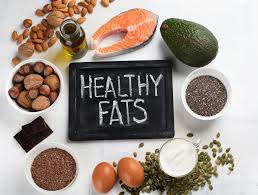
Fat
Fat has many vital functions in the body which include:
• Energy - fat provides up to 70% of total energy at a resting state
• Nerves - fat is a component of nerve fibers and cell membranes
• Protection - fat cushions and supports vital organs
• Hormones - fat helps to produce certain hormones in the body
• Storage and transportation - fat stores and transports fat-soluble vitamins
• Insulation - fat preserves body heat
| Healthier Fats | Food Source |
| Monounsaturated | Olive oil, peanut oil, canola oil, avocados, nuts and seeds |
| Polyunsaturated fat | Vegetable oils (such as safflower, corn, sunflower, soy and cottonseed oils), nuts and seeds |
| Omega-3 fatty acids | Fatty, cold-water fish (such as salmon, mackerel and herring), flaxseeds, flax oil and walnuts |
Adapted from: Mayo Foundation for Medical Education and Research (MFMER). www.mayoclinic.com. 2010.
Less Healthy Fats (Saturated Fats)
Less than ten percent of consumed fats should come from saturated fat, as this is the least healthy type of fat. Excessive consumption of saturated fat has been associated with and increase of certain chronic diseases - namely heart disease. Elevated levels of LDL ("bad" cholesterol) have been shown to increase from diets high in saturated fat. Excessive intake of "trans fat" has also been associated with an increase in blood cholesterol levels and should, therefore, be consumed at less than ten percent of total fat intake.
Food Sources of Less Healthy Fats
| Saturated fat | Animal products (such as meat, poultry, seafood, eggs, dairy products, lard and butter), and coconut, palm and other tropical oils |
| Trans fat | Partially hydrogenated vegetable oils, commercial baked goods (such as crackers, cookies and cakes), fried foods (such as doughnuts and french fries), shortening and margarine |
Adapted from: Mayo Foundation for Medical Education and Research (MFMER). www.mayoclinic.com. 2010.
For a detailed list of the fat content of various foods, please see Appendix A at the end of the course.