
Protiens
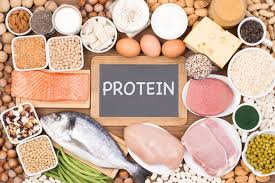
Proteins
Protein serves numerous functions in the body. Some of these functions include: growth, repair, and maintenance of body tissues; production of many hormones, enzymes, and hemoglobin; structural component of the cell; serves as a buffer in the control of acid-base balance; helps maintain normal blood osmotic pressure; helps to form antibodies for disease protection, and produces energy.
As previously mentioned, the USDA recommends that most adults get 18% of their total calories from protein. Considering we need protein to help our bodies carry out and sustain essential physiological functions, a diet that is insufficient in protein, could lead to deficiency of important vitamins and minerals found in protein-rich foods. Niacin, thiamin, riboflavin, B-12, B-6, iron, zinc, and calcium are some examples of vitamins and minerals that could be deficient due to a low protein diet. The effects are prolonged low protein in the diet would eventually manifest itself as impaired muscle growth and development, impaired immune function, and irregularities in other bodily functions and systems described above.
On the opposite spectrum, there is some evidence that very high protein diets (over 2g/kg of body weight per day) may contribute to progressive renal failure. Two other safety concerns that have been publicized by popular media and in certain textbooks are calcium loss and or bone catabolism and the association of lower fiber and higher saturated fat diets with higher protein intakes. The validity surrounding these three claims lacks strong scientific evidence yet it is still suggested that most adults consume a balanced protein intake not to exceed 2 grams per kilogram of body weight per day.
A variety of lean meats, eggs, milk, yogurt, and cottage cheese are recommended sources of protein due to their amino acid profile and overall nutrient content. Soy products which also contain an ideal amino acid profile and high protein content can be eaten as well. Other food sources such as beans, nuts, seeds, lentils and grains supply protein in smaller amounts, and they lack certain amino acids classifying them as "incomplete" proteins. By combining a variety of these "incomplete" sources, such as beans with rice, peanut butter with whole wheat bread, or hummus with whole wheat crackers, these "incomplete" sources become "complete" proteins.
| Food | Serving Size | Protein Grams |
| Brown rice | 1 cup cooked | 5 |
| Whole wheat bread | 2 slices | 6 |
| Oatmeal | 1 cup cooked | 6 |
| Spaghetti noodles | 1 cup cooked | 7 |
| Pork and beans | 1/2 cup | 7 |
| Cheese | 1 oz. | 7 |
| Milk | 1 cup | 8 |
| Food | Serving Size | Protein Grams |
| Peanut butter | 2 Tbsp. | 8 |
| Tofu | 1/2 cup | 10 |
| Cottage cheese | 1/2 cup | 14 |
| Plain yogurt | 1 cup | 14 |
| Scrambled eggs | 3 | 19 |
| Canned salmon | 1/2 cup | 24 |
| Scrambled eggs | 3 | 19 |
| Canned salmon | 1/2 cup | 24 |
| Roast beef or lean meat | 3 oz. | 24 |
| Pork loin | 3 oz. | 25 |
| Canned tuna | 1/2 cup | 26 |
| Chicken breast | 3 oz. | 26 |
| Turkey breast | 3 oz. | 26 |